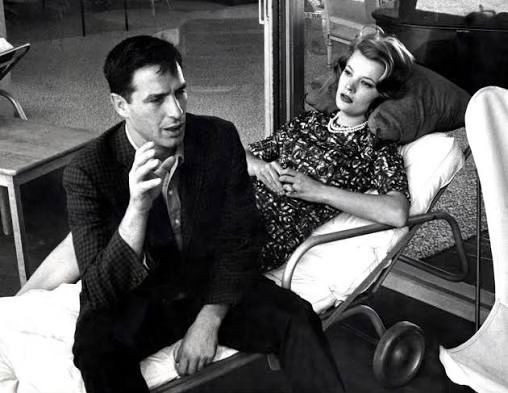
I put a photograph of two people having a discussion in front of a group and asked them to tell me what was happening. We knew nothing about the people or their conversation. The interpretations were all different, even though everyone was looking at the same photograph.
A private company had given me an opportunity to teach conflict resolution. I had no background in HR and, initially, no idea how I would teach it. So I built a curriculum around an observation: people can look at the same situation and come away with very different ideas about what it means. The photograph gave us a way to explore that together.
People offered their readings, debated, and laughed. Each interpretation gave us something to consider. With so little context, we couldn’t settle on one answer. We did the exercise three times, with three different photographs. By the last one, everyone in the room was into it. It had become a sort of brain puzzle.
What I find interesting about that exercise is how much there was to discuss when we knew so little. We could see the people in the photograph. We supplied the story. Hearing someone else’s version gave us a chance to reconsider our own and ask what had led us to it.
That was the connection to conflict resolution I wanted people to explore. When someone understands a situation differently, what are they seeing? What context might we be missing? How certain should we be about the meaning we’ve assigned to it? The exercise helped me keep an open mind about how differently people can see the same problem. It also gave us a simple place to begin a conversation about those differences.
Teaching gave me a way to work through those questions, too. I had to find something people could engage with, and their responses became part of the lesson. A photograph was enough to get the discussion started. The room supplied the range of possibilities.
I see the same question in marketing. We know what we intended to communicate. Understanding what someone else took from it requires curiosity about their interpretation. Their answer can give us something useful to examine: what they noticed, what they understood, and where we may have left room for a different reading. Sometimes a useful place to begin is simply asking: What do you see?
Continue exploringRead more from The Clarity System →